As cryptocurrency adoption surges to approximately 559 million users worldwide in 2026, representing a global adoption rate of about 9.9%, managing digital asset portfolios has become increasingly complex. With new regulations like the OECD's Crypto-Asset Reporting Framework (CARF) expanding in 48 countries and the EU's DAC8 taking effect, accurate tracking and tax reporting are essential for investors. Professional-grade tools now automate transaction syncing, calculate capital gains, and generate compliant reports across multiple jurisdictions. This article explores the top 5 best crypto portfolio trackers with tax reporting in 2026, highlighting their key features, comparisons, and practical tips for efficient portfolio and tax management.
Read more: Top 5 Crypto Portfolio Trackers and Market Monitoring Tools in 2026
Key Takeaways
- BingX stands out as the top overall crypto portfolio tracker in 2026, combining powerful in-app real-time tracking, AI-driven insights, and direct integration with leading tax tools like CoinTracking, Coinpanda, and Koinly.
- Leading dedicated tax platforms such as Koinly, CoinLedger, and CoinTracker excel in automated reporting, supporting hundreds of exchanges, wallets, and DeFi protocols while handling complex transactions like staking, yield farming, and NFTs.
- Global crypto tax compliance is tightening, with many platforms offering support for IRS Form 8949, Schedule D, and international standards, helping users avoid errors amid rising regulatory scrutiny.
- Most tools provide free tiers for basic portfolio monitoring, with paid plans ranging from 49 to several hundred dollars annually depending on transaction volume.
- Effective trackers reduce manual work, with users often completing reports in under 20 minutes when using API auto-sync features.
Why Portfolio Tracking and Tax Reporting Matter for Crypto Traders
Cryptocurrency transactions trigger taxable events in most jurisdictions, including trades, staking rewards, airdrops, and NFT sales. Surveys indicate that only about 49% of crypto users fully understand basic tax obligations on asset sales, while up to 61% remain unaware of updated 2025-2026 reporting rules. With over 2,000 taxable events possible in complex DeFi portfolios across multiple chains, manual tracking often leads to inaccuracies and potential audits.
Proper tools provide real-time valuation, performance metrics, and automated cost-basis calculations using methods like FIFO, LIFO, or HIFO. They also support multi-asset views, including traditional stocks or ETFs in some cases. As enforcement ramps up, with centralized exchanges required to issue Form 1099-DA in the US starting for 2025 transactions filed in 2026, reliable tracking helps ensure compliance and minimizes overpayment or penalties.
Read more: 5 Best Websites to Track Bitcoin Live Price in 2026 (Desktop Edition)
Key Features to Look for in a Crypto Portfolio Tracker
Choosing the right crypto portfolio tracker is essential to effectively monitor your assets, manage risk, and optimize your investment decisions in a fast-moving market.
1. Real-time Price Tracking and Integrations
Top trackers connect via read-only APIs to hundreds of exchanges and wallets, including MetaMask, Ledger, and major platforms. They deliver live price updates across thousands of assets, portfolio allocation breakdowns, profit and loss visualizations, and AI-powered analytics for market insights. Support for DeFi protocols, liquidity pools, and cross-chain activity is critical in 2026, as decentralized finance continues to grow.
2. Tax Reporting and Export Features
Advanced platforms automatically categorize transactions, compute gains and losses, and generate jurisdiction-specific reports. Features include direct exports to TurboTax or H&R Block, CSV downloads, and handling of complex scenarios like margin trading or hard forks. Many support 100-plus countries or regions, with built-in previews for free and full report generation on paid tiers.
What Are the Best Crypto Portfolio Trackers with Tax Reporting in 2026?
Choosing the right crypto portfolio tracker with built-in tax reporting is essential in 2026, as stricter regulations and evolving tax requirements make accurate tracking, reporting, and compliance more important than ever.
1. BingX
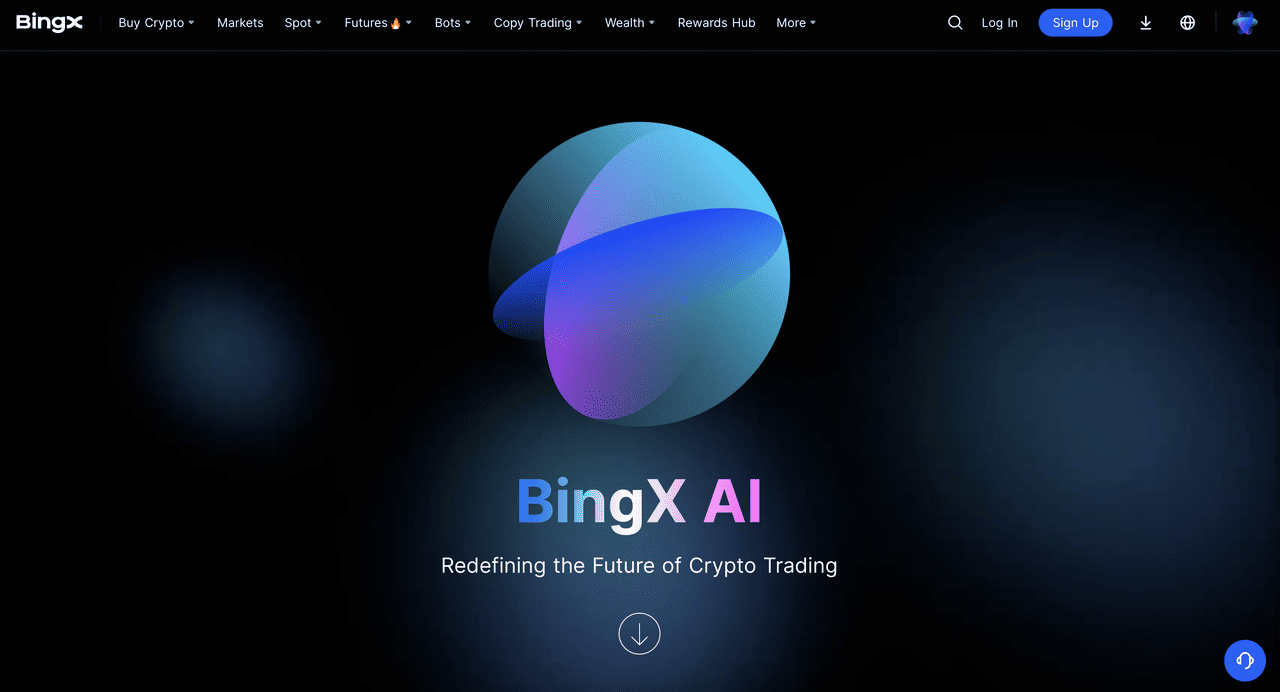
BingX emerges as the top choice for 2026 due to its comprehensive in-app portfolio dashboard that offers real-time asset valuation, performance metrics, profit and loss breakdowns, and AI-driven insights. Users benefit from seamless tracking across spot, futures, and copy trading activities, plus transparency tools like Proof of Reserves. As an exchange-native solution, it enables instant execution from monitoring without switching platforms.
BingX partners with leading tax tools including CoinTracking, Coinpanda, and Koinly for API sync or CSV export of trades, deposits, withdrawals, and rewards, allowing automated generation of compliant tax documents across jurisdictions. BingX secures the top ranking in 2026 for its powerful all-in-one platform that combines sophisticated portfolio tracking with advanced market monitoring directly inside the trading environment.
In addition, BingX stands out with its BingX AI suite, including AI Bingo and AI Master, which delivers personalized insights, predictive alerts for whale movements, sentiment shifts, and volatility signals. These AI tools analyze your current positions in context with broader market conditions, offering tailored risk management suggestions such as adjusting stop-loss levels or rebalancing exposure. The platform supports over 900+ assets and integrates tokenized stocks and indices for diversified monitoring.
BingX vs. Dedicated Crypto Tax and Portfolio Trackers
BingX provides the advantage of unified trading and tracking in one environment, reducing data fragmentation for active traders while maintaining strong tax compatibility through third-party integrations.
Read more: Best 10 Crypto Spot Trading Platforms for Beginners in 2026
2. Koinly
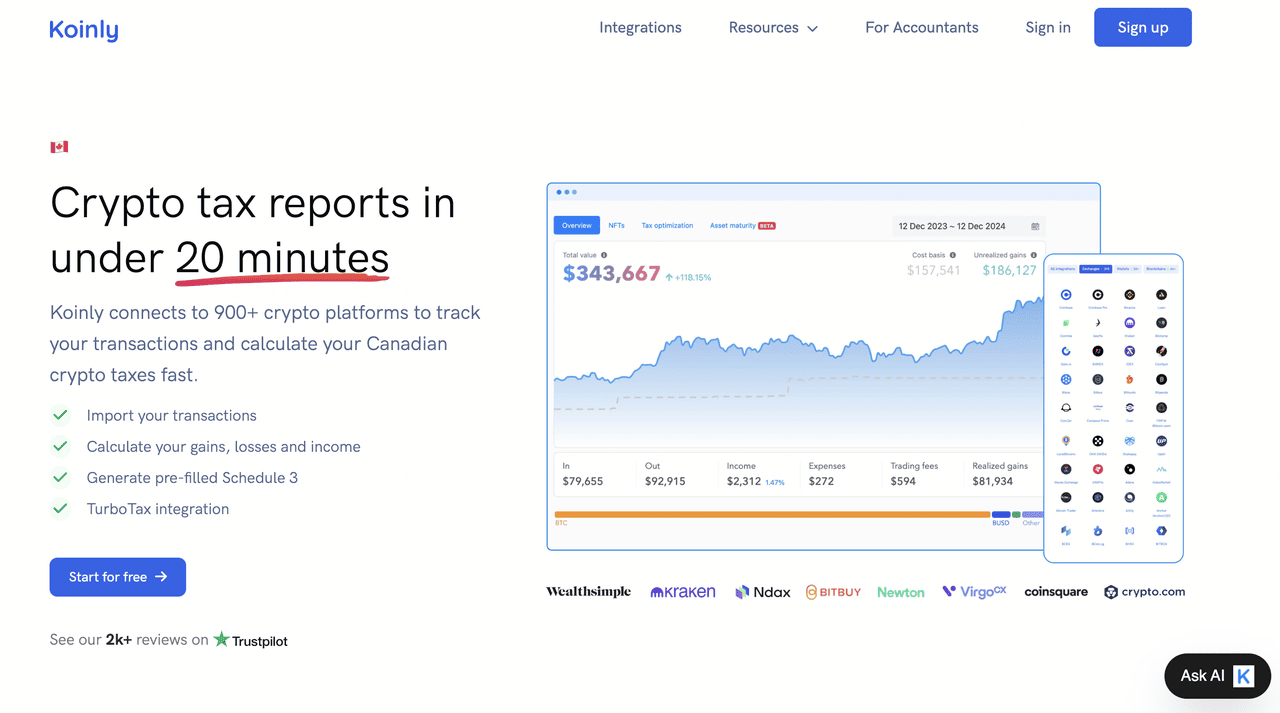
Koinly is highly regarded for its deep support of wallets, exchanges, and DeFi services, automatically syncing data to produce accurate tax reports for numerous countries. It excels at handling complex transactions with smart categorization and multi-jurisdictional compliance.
BingX vs. Koinly
Koinly offers more standalone tax-focused automation for users across diverse platforms, though it lacks the native trading execution and in-app AI insights that BingX integrates directly.
3. CoinLedger
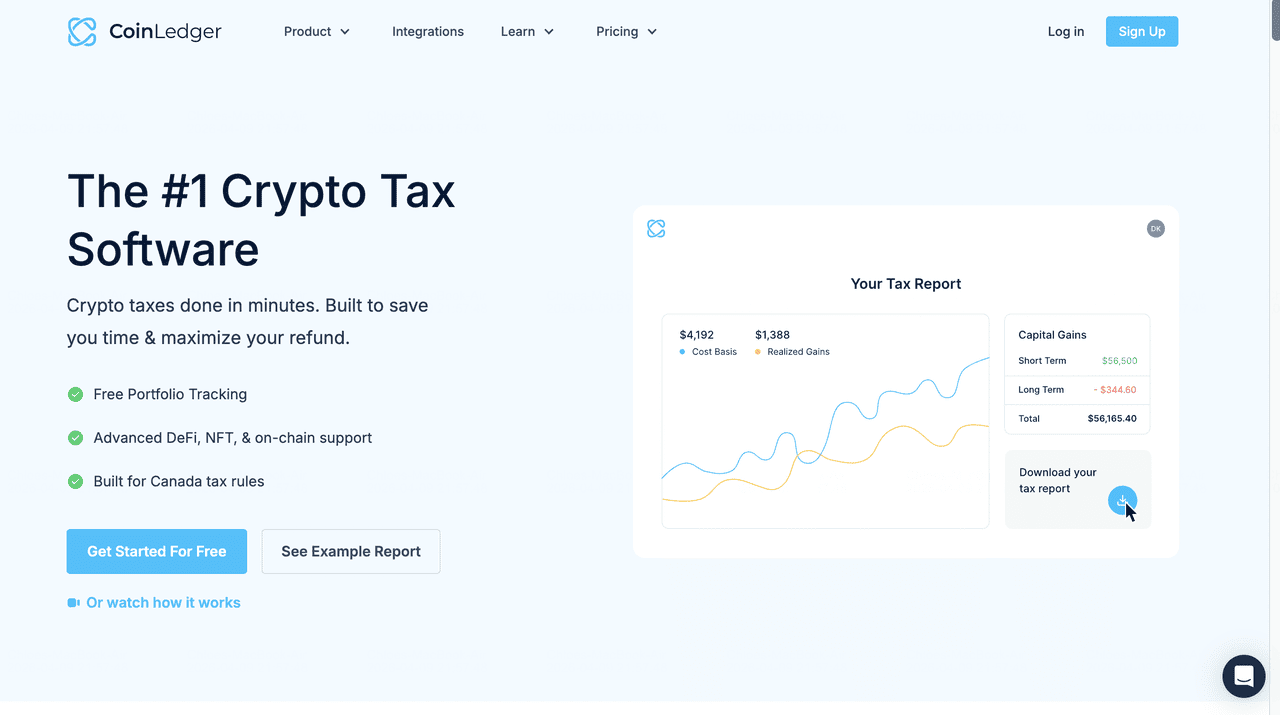
CoinLedger prioritizes simplicity, enabling quick connections to popular exchanges and generating tax reports rapidly. It supports error reconciliation and integrates with major US tax software like TurboTax and H&R Block, making it accessible for beginners and intermediate users.
BingX vs. CoinLedger
CoinLedger appeals to those seeking a straightforward, low-friction tax experience separate from their primary exchange, while BingX provides broader in-app monitoring and trading tools alongside compatible reporting.
4. CoinTracker
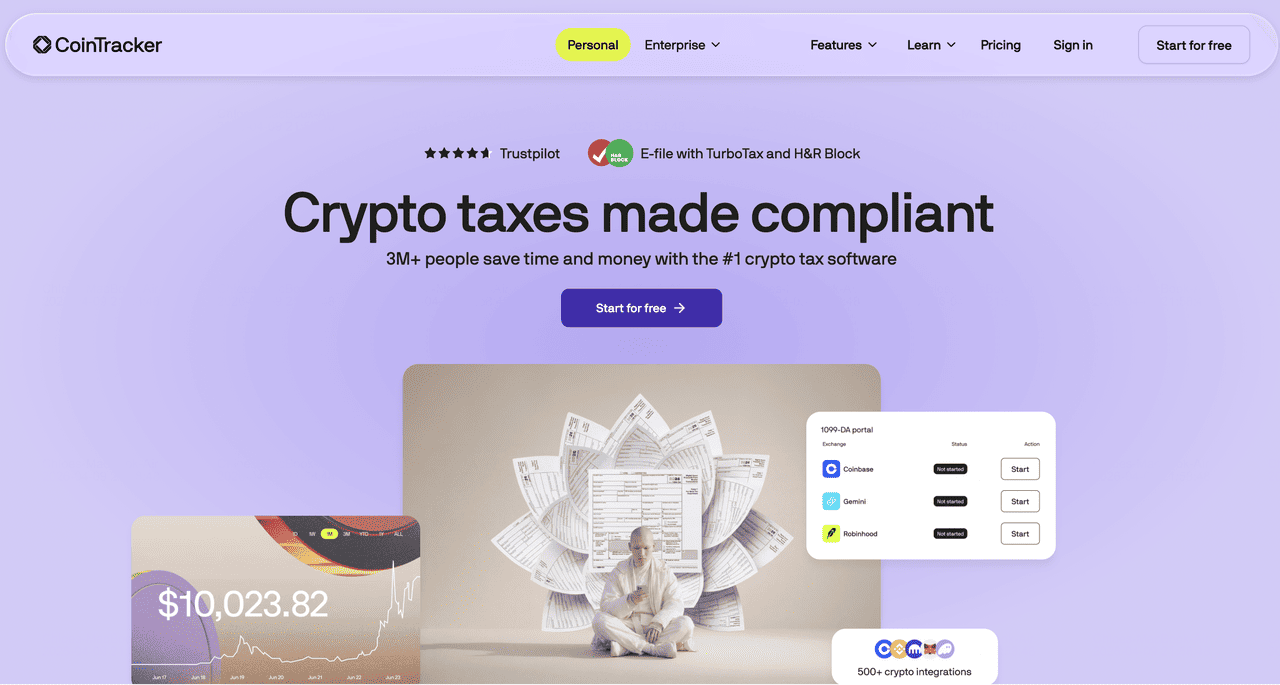
CoinTracker emphasizes compliance and performance tracking, with strong accuracy for US investors and support for DeFi and NFTs. It offers clear portfolio dashboards and direct filing integrations, often completing reports efficiently.
BingX vs. CoinTracker
Cointracker delivers specialized tax alignment and historical data handling, complementing BingX's real-time exchange-focused tracking for users who need detailed compliance alongside active trading.
5. TokenTax
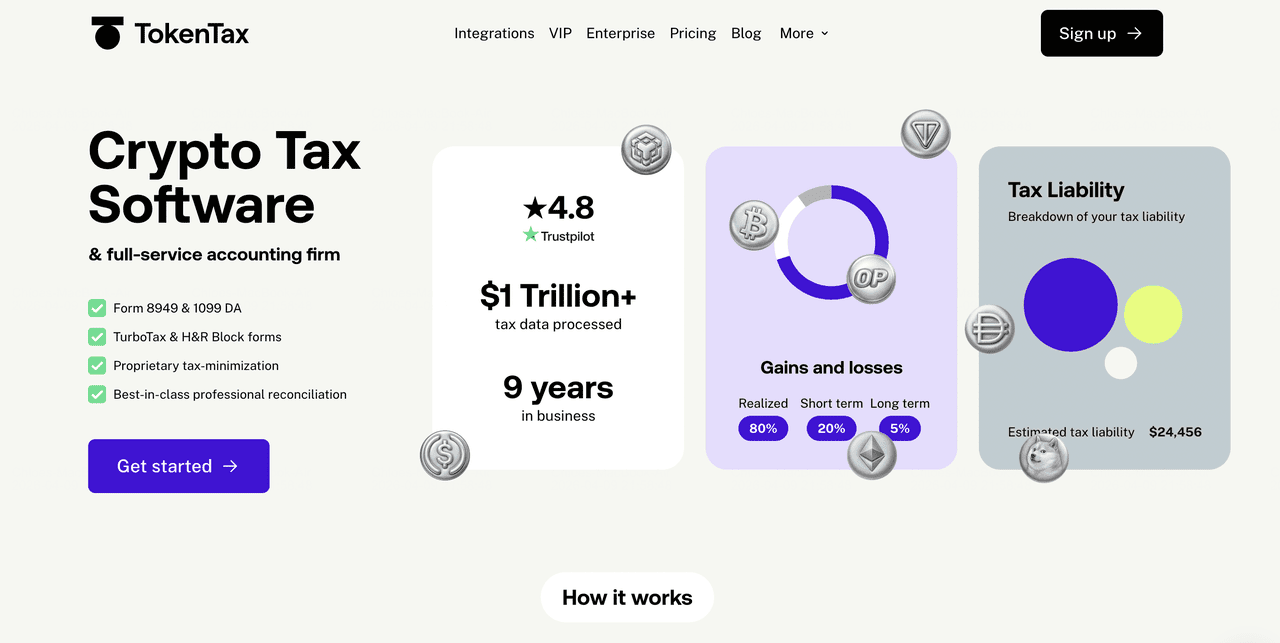
TokenTax caters to professionals with advanced accounting needs, including full-service options for high-complexity portfolios involving intricate DeFi strategies. It provides expert-level reporting and TurboTax integration.
BingX vs. TokenTax
TokenTax suits users requiring CPA-like support for sophisticated transactions, whereas BingX streamlines everyday tracking and basic tax syncing for a wider range of traders.
Free vs. Paid Tools for Crypto Tax Tracking: A Comparison
Many platforms offer generous free tiers for portfolio tracking and transaction previews, allowing unlimited monitoring or limited reports without cost. Free options suffice for simple portfolios, while paid versions justify the expense for active traders with thousands of transactions or multi-country needs, often paying for themselves through time savings and error prevention.
Read more: Best Crypto Exchanges with API Trading Support: Why BingX Leads in 2026
Best Crypto Portfolio Trackers with Tax Reporting in 2026 Compared
|
Tracker |
Best For |
Key Strength |
Pricing (approx.) |
Integrations |
Tax Report Support |
|
BingX |
Overall & Active Traders |
In-app AI insights, real-time dashboard |
Free in-app tracking |
CoinTracking, Coinpanda, Koinly |
Via partners, CSV export |
|
Koinly |
Tax & Wallet Tracking |
Deep DeFi and multi-country support |
Free preview, 49+ per year |
700+ exchanges/wallets |
100+ countries, automated reports |
|
CoinLedger |
Ease of Use |
Simple UI and error reconciliation |
Free import, 49-199 |
500+ integrations |
US-focused with TurboTax export |
|
CoinTracker |
Compliance |
Accurate performance and tax tools |
Free limited, 59+ |
600+ exchanges |
Strong US, DeFi/NFT support |
|
TokenTax |
Complex Portfolios |
Professional accounting services |
65+ (up to custom) |
Multiple exchanges |
Advanced DeFi, expert assistance |
This comparison highlights how BingX excels in integrated trading and monitoring, while dedicated tools provide specialized depth in tax automation.
Read more: Best Tools to Monitor Crypto Whale Activity Across Multiple Coins in 2026
How to Choose the Right Crypto Tax and Portfolio Tracker for Your Needs
Assess your trading volume, portfolio complexity, and primary location first. Active traders on BingX may prefer its native tools paired with partner integrations for efficiency. Users with heavy DeFi or international holdings should prioritize platforms with broad blockchain support and multi-jurisdiction reports. Consider transaction limits on paid plans and test free tiers for data import accuracy. Security features, such as read-only APIs, and user reviews on reconciliation reliability also play key roles. For high-net-worth or professional needs, evaluate add-on services like expert review.
Read more: 5 Best Mobile Apps to Track Live Bitcoin Price in 2026
Top Tips for Managing Crypto Taxes Efficiently
Maintain complete records by syncing all wallets and exchanges early in the year. Use cost-basis methods consistently and reconcile any flagged errors promptly. Leverage automated categorization for staking income or airdrops, and preview reports before filing to catch discrepancies.
For cross-border activity, confirm jurisdiction-specific rules, as 37% of users engage in transactions that may involve multiple tax authorities. Combine exchange exports with third-party tools for comprehensive coverage, and consult a tax professional for complex cases. Regularly review unrealized gains for strategic planning, and back up data to avoid loss during audits.
Read more: Top 5 Crypto Exchanges with the Best User Experience (UX) for Beginners in 2026
Conclusion
In 2026, the top 5 best crypto portfolio trackers with tax reporting capabilities are indispensable for navigating regulatory demands and optimizing investment oversight. BingX leads as the premier all-in-one solution with its advanced in-app features and seamless tax tool partnerships, while specialized platforms like Koinly and CoinLedger deliver powerful automation for dedicated compliance needs.
By selecting the right tool based on individual requirements and following best practices, investors can save significant time, reduce risks, and focus on strategic growth. Always verify the latest features and consult local regulations, as users remain responsible for the accuracy of their filings.
Disclaimer: While these tools facilitate reporting, users are responsible for ensuring the accuracy of their tax filings.
Related Reading
- What Are the Top 10 Tokenized Stocks (xStocks) to Trade in 2026?
- Top 5 Crypto Exchanges That Support the Most Payment Methods for Buying Bitcoin in 2026
- What Is Market Order? How Does It Work in the Crypto Market?
- Understanding Stop-Loss and Stop-Limit Orders
- BingX vs Binance vs Kraken: Which Exchange Is Better in 2026?
